Zürich & North Switzerland Winterthur
Winterthur
Plan your trip
A handcrafted itinerary for Winterthur.
SleepFind your stay
A short, curated list. None of them a chain.
GuidesFollow a route
Hand-curated, walked before written.
Winterthur lies twenty minutes north-east of Zurich by train, where the Eulach and Töss rivers meet in the canton of Zurich. Just over 123,000 people live here, making it Switzerland's sixth-largest city and the second-largest in the canton. Sulzer's foundries, Rieter's textile works and the Swiss Locomotive and Machine Works once drove its economy, employing thousands and building locomotives for cog railways across Switzerland and abroad. When heavy industry closed in the late twentieth century, the city converted its factory halls rather than demolish them. The old Sulzer works now hold offices, university classrooms and Katharina Sulzer Platz, a public square laid straight through the former foundry floor.
What makes Winterthur slow travel perfect
Winterthur is a city built by industrialists who then filled it with art. The Reinhart family, wealthy from textiles and trade, spent much of the twentieth century buying paintings instead of building more factories, and left two museums behind: the Kunst Museum, spread across three locations including the Villa Flora, and the Oskar Reinhart Collection. Sixteen museums in total sit within walking distance of each other, many set in the same landscaped parks the factory owners once built for their workers.
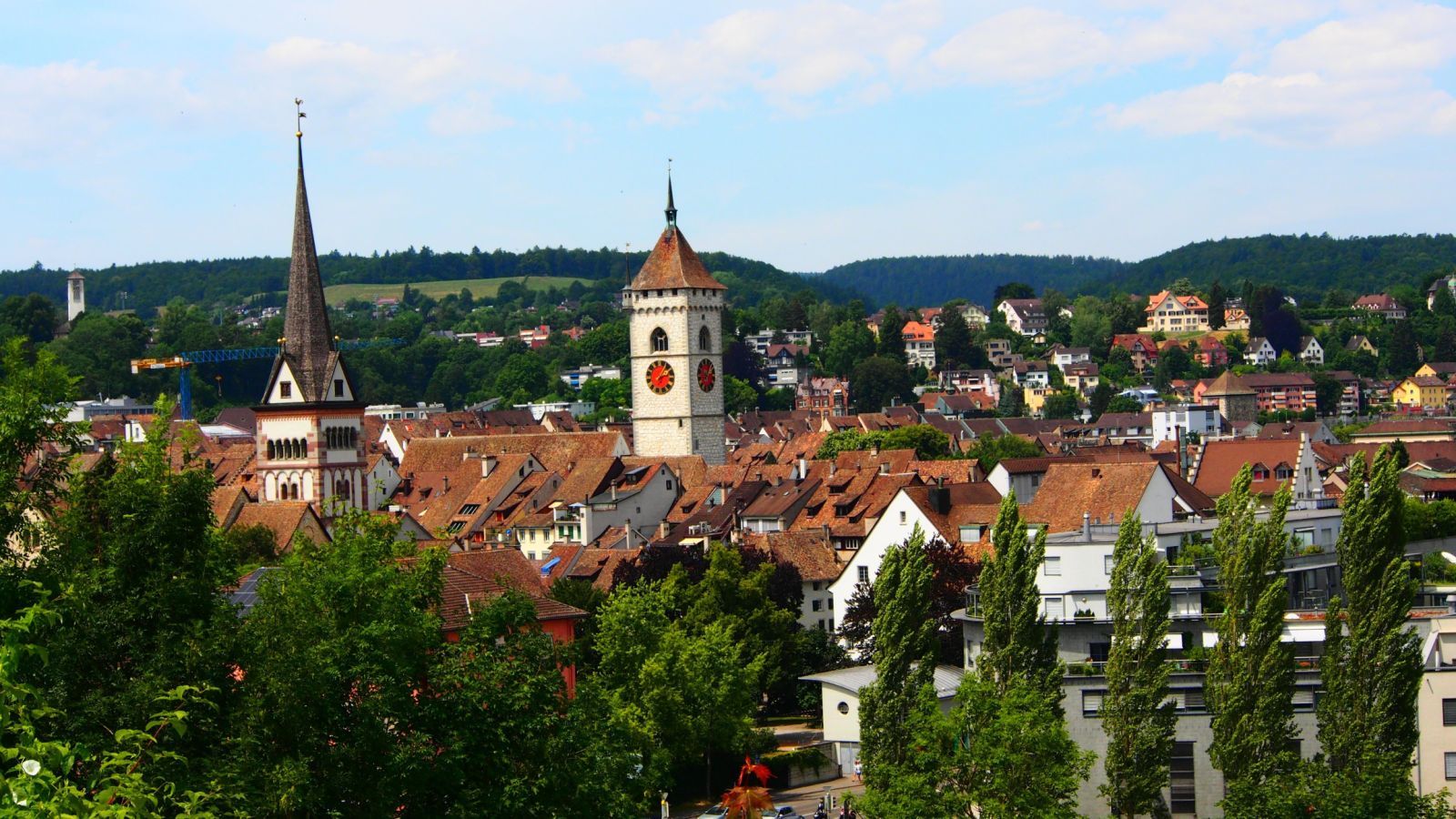
The Altstadt is Switzerland's largest connected pedestrian zone, a grid of narrow lanes lined with named houses (Zum Glück, Zum Garten) and public fountains. In July and August, three of the fountain basins on Steinberggasse become swimming pools, children cooling off a few steps from the shops. Climbing the tower of the Stadtkirche gives a view over the whole old town at once, roofline to roofline.
Nothing here was built for tourists. The old Sulzerareal, once a sixteen-hectare foundry complex, now holds lofts, offices and a design market around Katharina Sulzer Platz. A short tram ride away, Technorama gives hands-on access to more than 500 exhibits, among the largest science centres anywhere. The Musikfestwochen and Albanifest fill the old town with music each summer, and the Casinotheater runs a comedy and cabaret programme the rest of the year. Travel here means walking into a city that kept working after the outside world stopped watching.