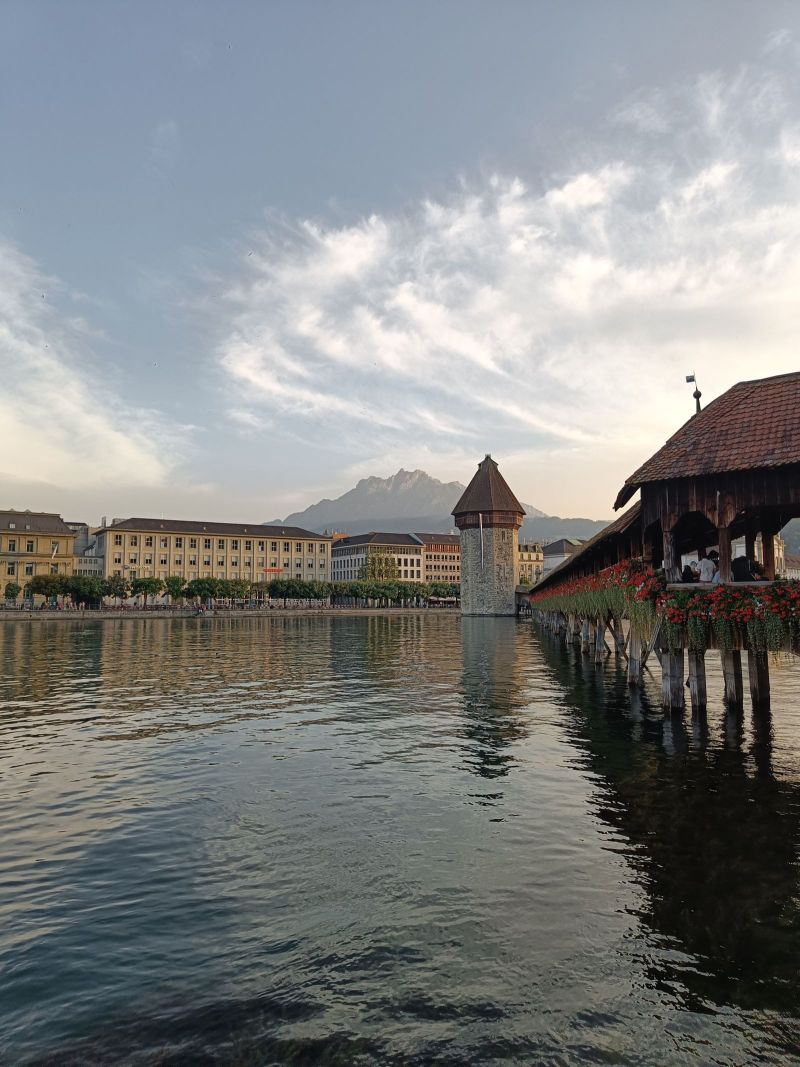
The oldest wooden bridge in Europe, and it's most beautiful when no one else is there.
Old Town
Painted facades, fountain squares, and bread shops that haven't changed in decades.
Lucerne's Altstadt sits on the north bank of the Reuss, between the river and the old city wall. The Museggmauer, nine towers with most of the original wall intact after seven centuries, runs along the ridge above the rooftops. You can walk its top section for free, above the chimneys, with the lake below.
The streets inside the wall narrow into alleys painted with murals: guild emblems, painted saints, scenes from local legend retouched over the centuries without quite losing their strangeness. The Weinmarkt, the Kornmarkt, the Hirschenplatz: small squares connected by passages that change character with every turn.
On Tuesday and Saturday mornings, a market fills the Weinmarkt with vegetables, cheese, and bread baked before dawn. This is the best reason to be in the old town early, but not the only one.
Usually visited together
Pale rose stucco and a silence that outlasts the crowds on Kapellbrücke.

Six hundred years of stone, and the whole city laid out below.
A pasta counter near the station where the fillings change by the morning.
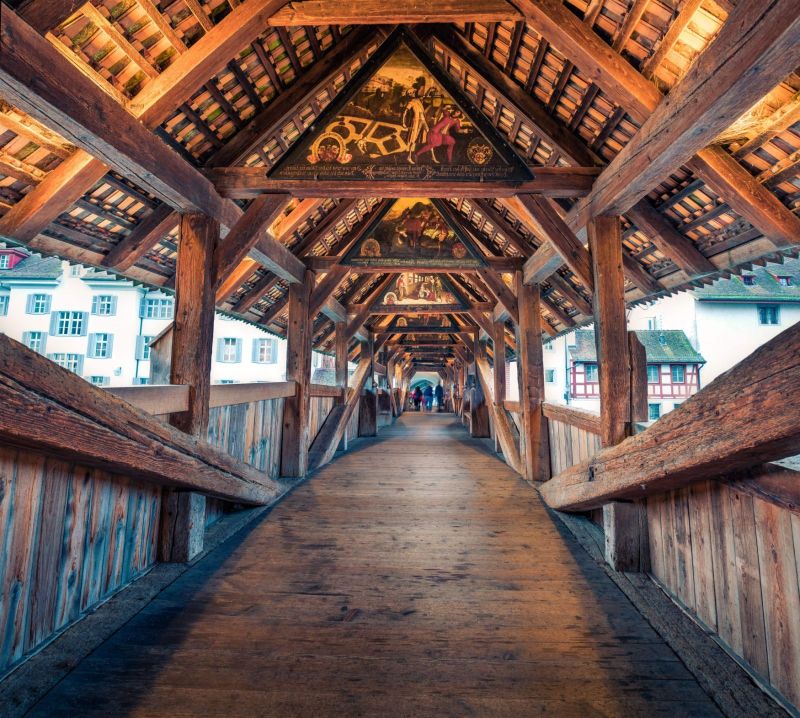
Sixty-seven painted panels above the water, each one a reminder that nobody crosses this river forever.
More in Lucerne

A lakeside village where the roses bloom and the ferry arrives on time, always.
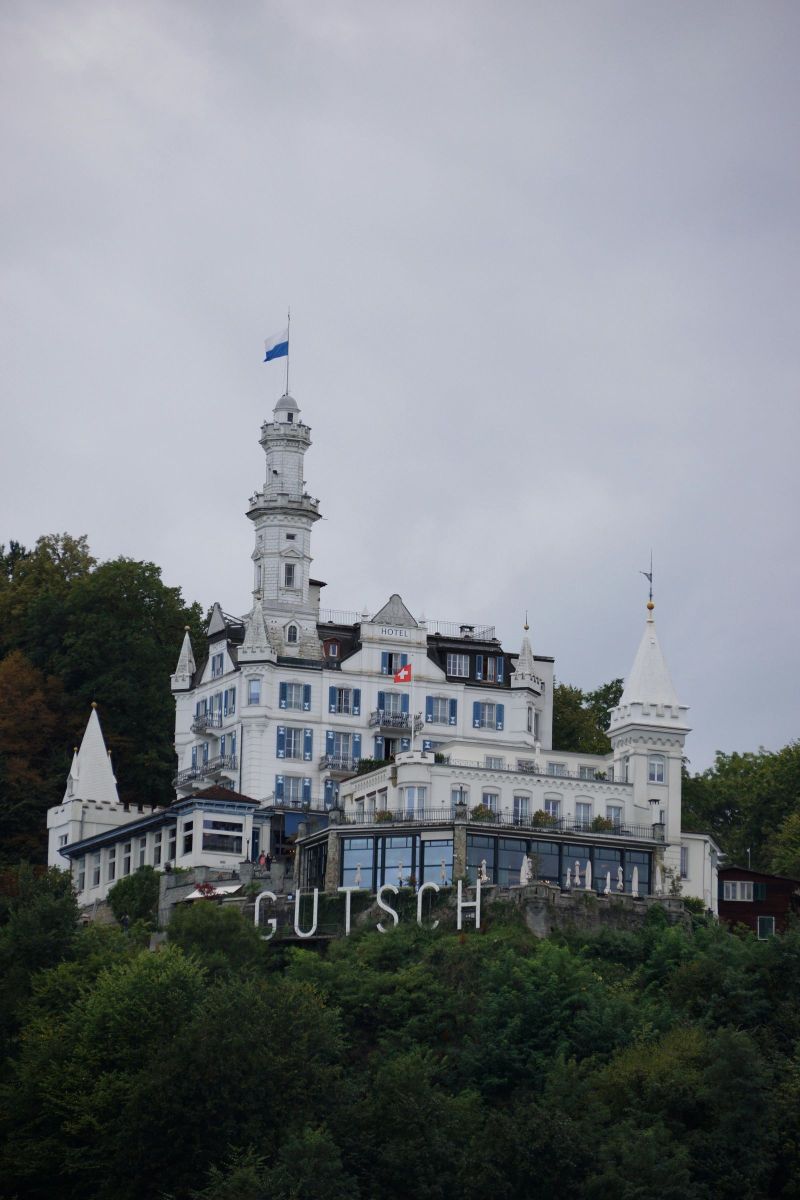
A castle above the rooftops, reached by funicular through the trees.
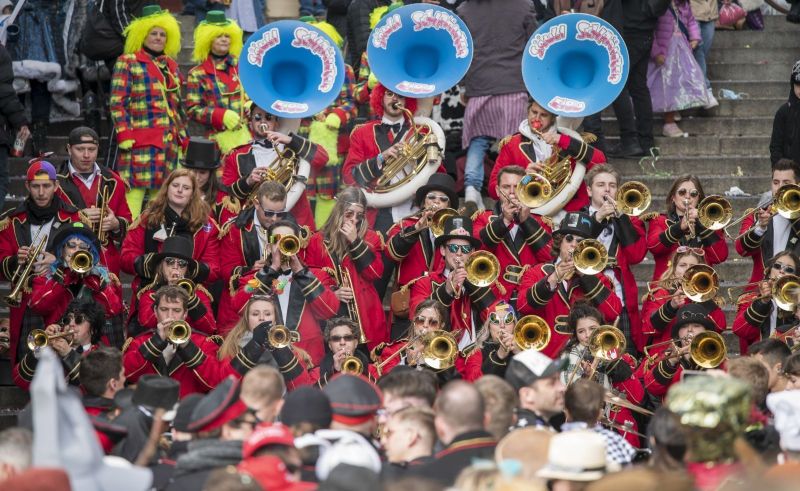
Brass bands echo off medieval facades at five in the morning, and the city does not sleep until Ash Wednesday.
A circle of painted snow that has not stopped falling since 1881.