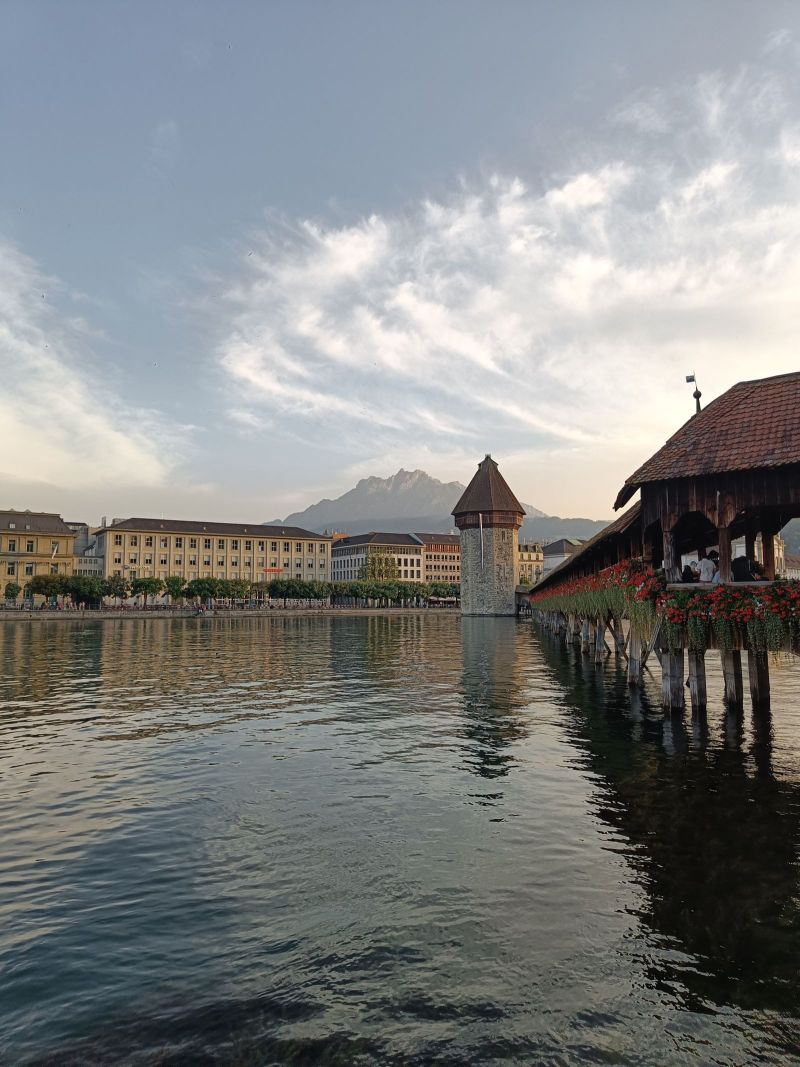
The oldest wooden bridge in Europe, and it's most beautiful when no one else is there.
Pastarazzi
A pasta counter near the station where the fillings change by the morning.
go back
Food & drinks
 Koen's favourite
Koen's favourite
Pastarazzi sits on Hirschengraben, a short walk from Lucerne's train station, in a small room with a handful of tables and a display case that doubles as the menu. There is no printed English translation. Staff explain the day's ravioli by pointing and describing the fillings as they go: ricotta and spinach, pumpkin, lemon, whatever the kitchen has folded that morning.
Diners choose their own combination, then pick a sauce, tomato, pesto, or sage and butter, and wait while the pasta cooks to order. The fillings shift with the seasons. The format does not. Reservations matter here. The tables fill fast at lunch, mostly with locals who already know what they want before they sit down.
Usually visited together
Pale rose stucco and a silence that outlasts the crowds on Kapellbrücke.

Six hundred years of stone, and the whole city laid out below.
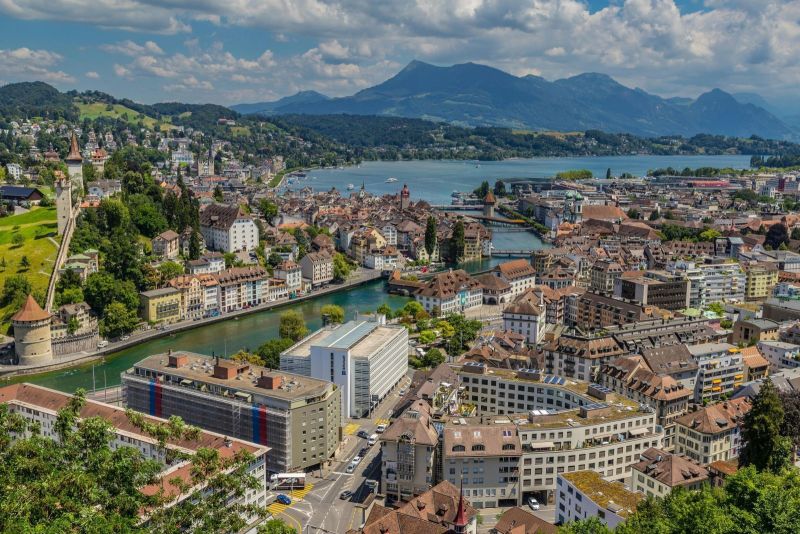
Painted facades, fountain squares, and bread shops that haven't changed in decades.
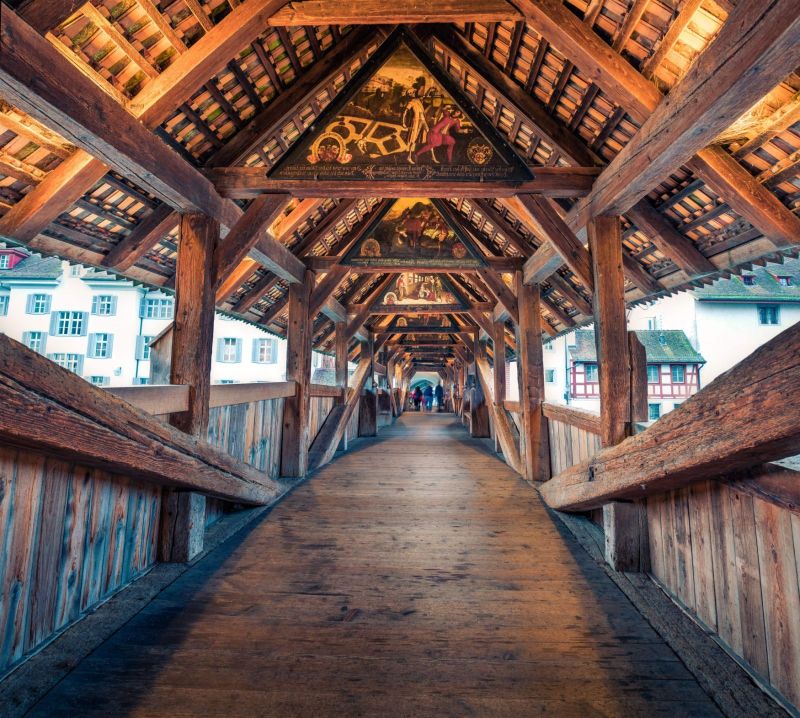
Sixty-seven painted panels above the water, each one a reminder that nobody crosses this river forever.
More in Lucerne
Gelato eaten with the lake for company.
Touching the locomotives was always allowed.
A dying lion cut into rock, and a hush visitors keep without being told to.
Applause fading into the stillness of the lake outside.